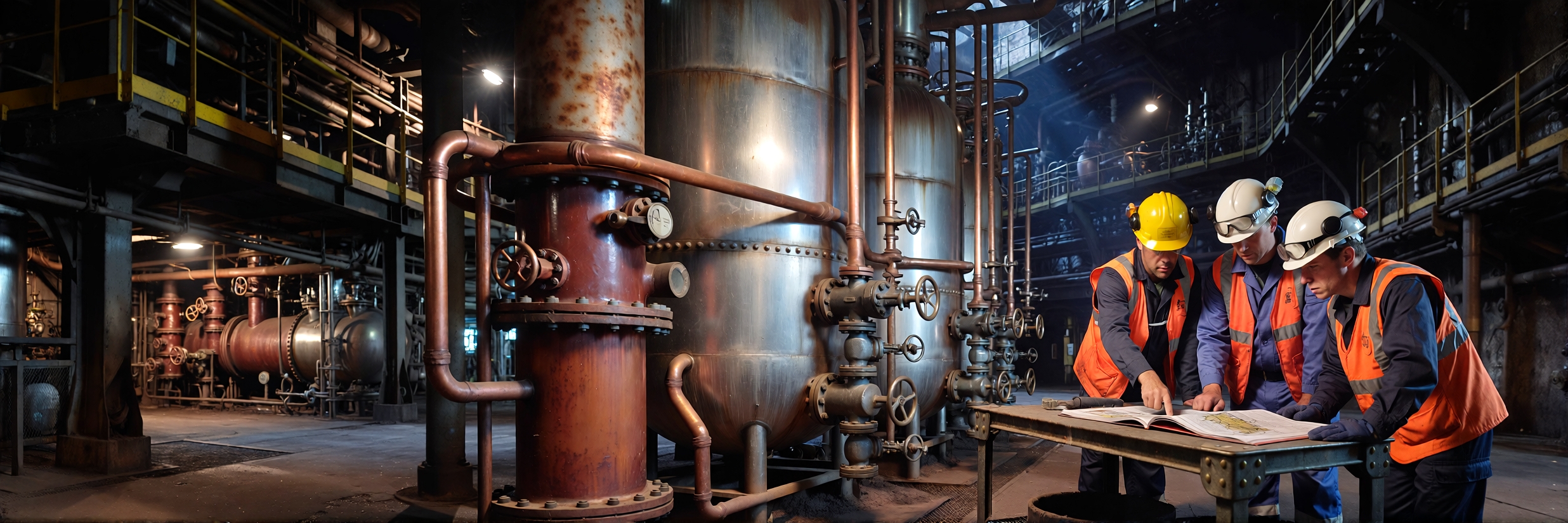

TRACEZ team has many years of experience in developing training curriculums for training centres & new projects. Training curriculum development is the systematic process of designing structured learning programs that build knowledge, skills, and competencies aligned with organizational, industrial, and learner needs.
A good curriculum ensures:
Training Materials Development
TRACEZ team has expertise in developing training materials for Process, Production, Electrical, Mechanical, Instrumentation, Soft Skills, and HSE programs. Training materials developed will be specific to business and customised as per the equipment, systems.
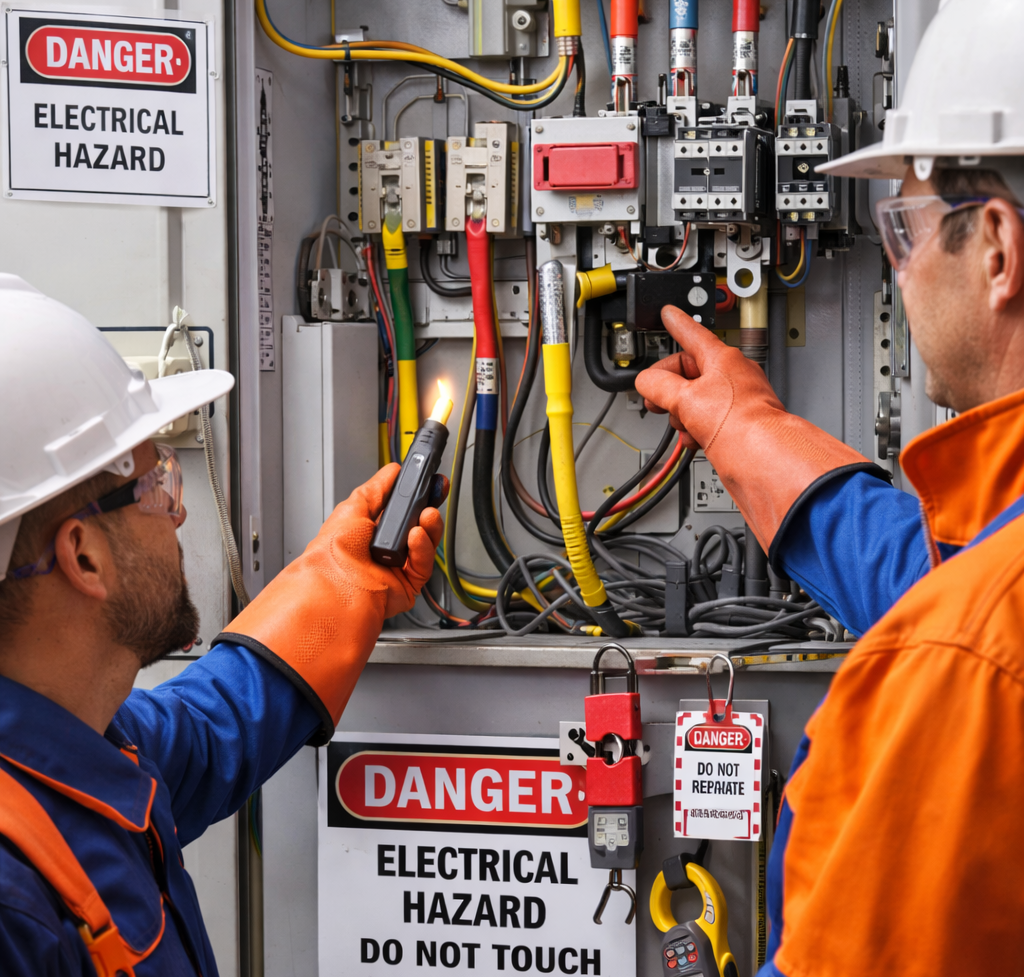
TRACEZ has many years of experience in developing Electrical Safety Rules and Procedures for working with Low Voltage (LV), Medium Voltage (MV), and High Voltage (HV) electrical systems. These rules and procedures are developed by incorporating global best practices along with organization-specific requirements.
The main Electrical Safety Rules and Procedures include:
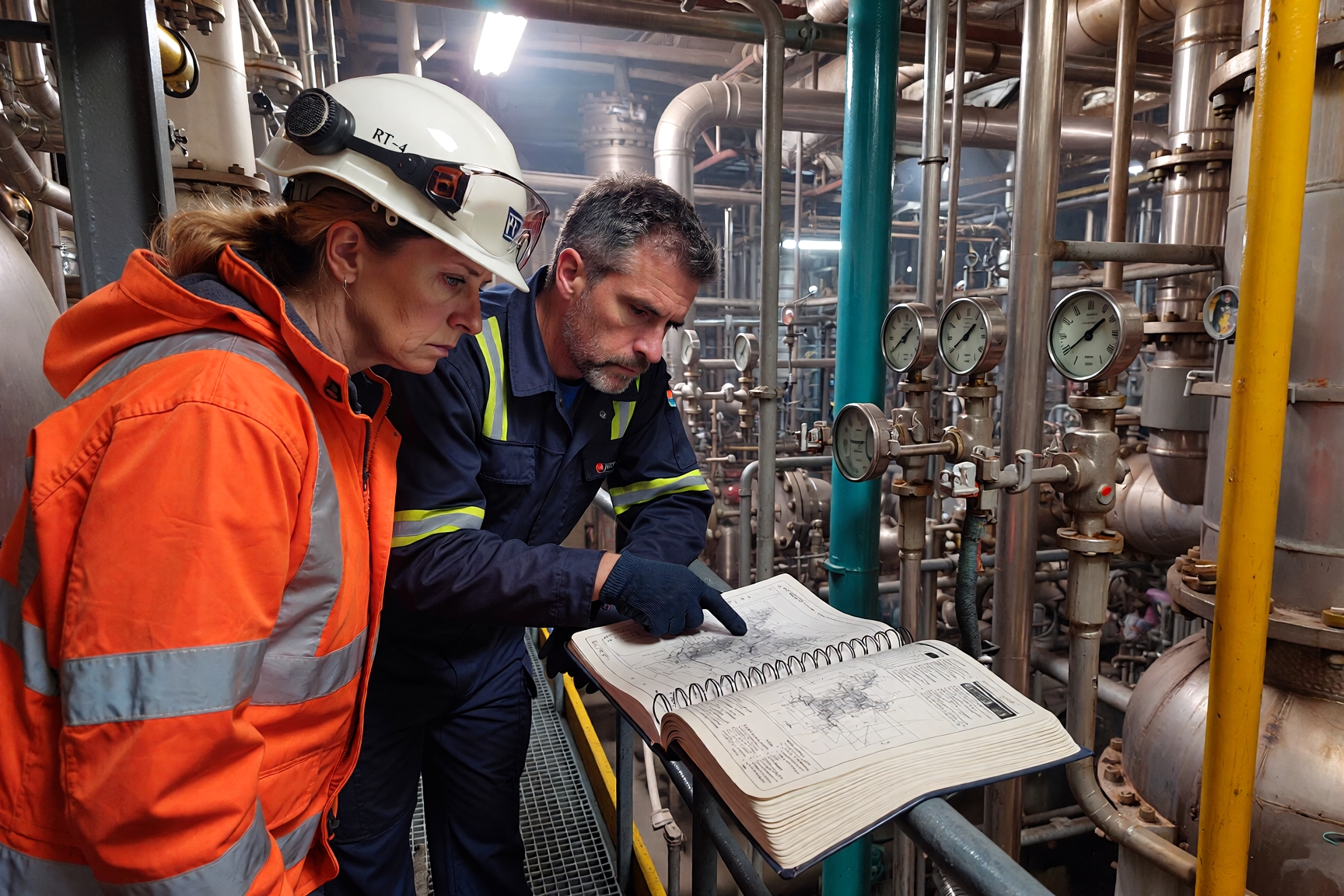
Standard Operating Procedures (SOPs) are step-by-step instructions that describe how to perform specific tasks or activities consistently, safely, and in compliance with organizational standards, regulatory requirements, and industry best practices. SOPs serve as a foundation for operational excellence and are essential for ensuring uniformity in processes across an organization. They are widely used in industries such as manufacturing, oil & gas, healthcare, construction, and services.
Typical Components of an SOP:
An HSE Policy is a formal statement by an organization expressing its commitment to protecting the health and safety of employees, contractors, and the public, while minimizing environmental impact.
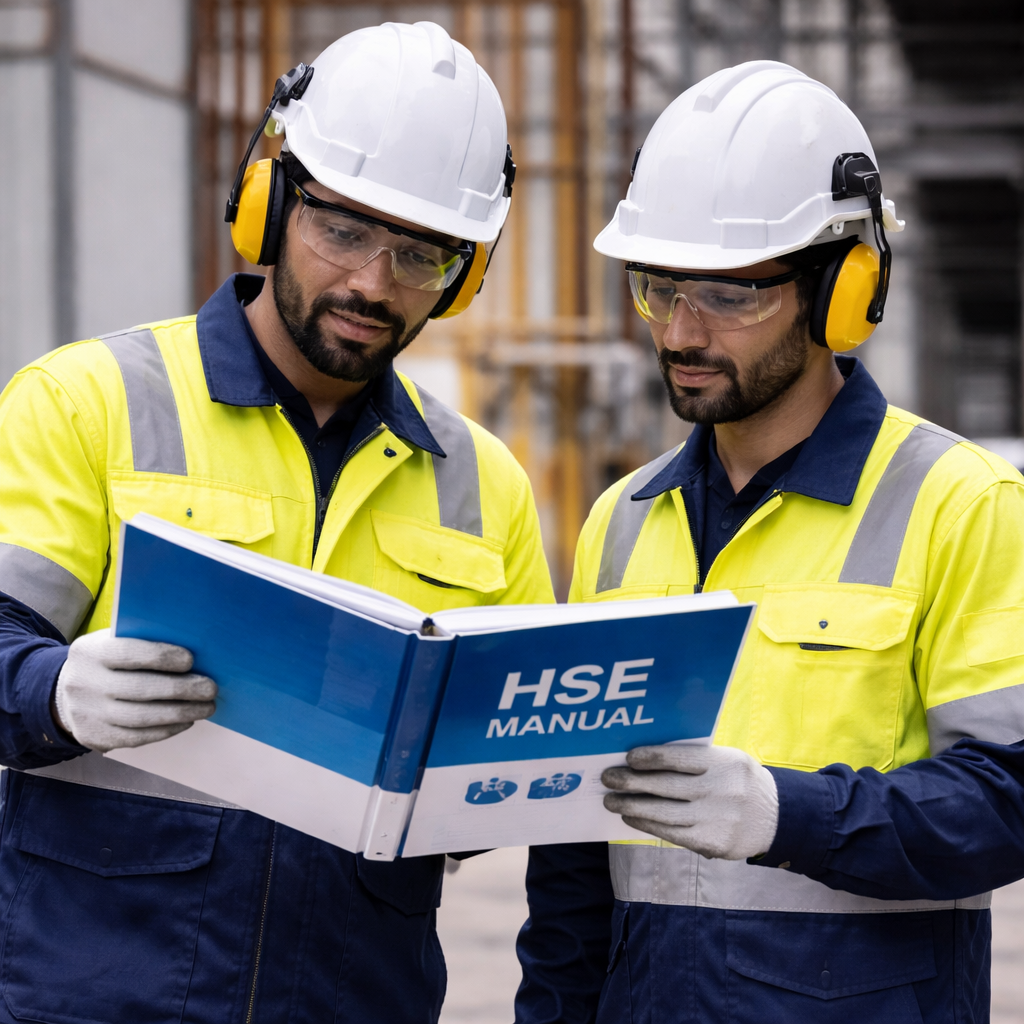
An HSE Manual is a comprehensive document that outlines the organization’s Health, Safety, and Environmental management system, including procedures, responsibilities, and guidelines to implement the HSE Policy effectively.
1. Introduction
2. Organization & Responsibilities
3. HSE Management System
4. Risk Assessment & Control
5. Operational Control Procedures
6. Emergency Preparedness & Response
7. Training & Competency
8. Incident Reporting & Investigation
9. Monitoring & Performance Measurement
10. Environmental Management
11. Documentation & Record Control

 Enquire Now
 +91 99953 38853
 +968 99312 306
 +971 50 644 2346
 techdirector@tracezglobal.com

 Technical Programs